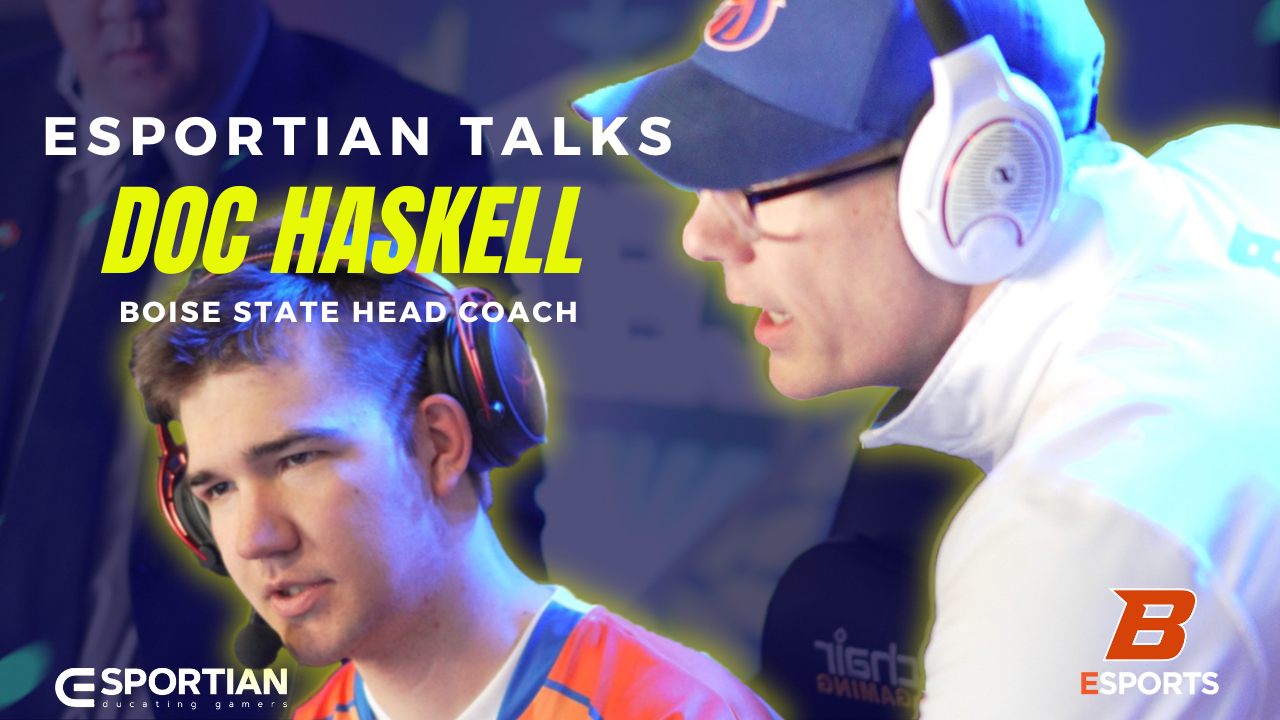
Dr. Chris "Doc" Haskell and his team spent four years cultivating trust and doing the legwork to move Boise State University ’s esports program from an academic division into the athletic department. They began in the college of education, then transitioned to the innovation & startup hub before finally integrating into athletics. Doc explains, “For us, as a D1 football school, it made sense to graduate into Athletics, we don’t teach classes. We compete, just like a basketball or volleyball team.”
Once under Athletics, Boise State Esports instantly gained credibility and access to institutional resources:
They generate new sponsorship opportunities such as “Play of the Game” features or broadcast slots distinct from licensed athletics merchandise. Esports became an inventory factory fueling broader athletic revenue.
Building institutional trust was crucial. Doc describes trust as "knowing what someone will do." To earn it, they:
Boise State’s model offers a roadmap:
Boise State’s move of esports into the athletic department was a strategic shift grounded in trust, culture, visibility, and sustainability. By building a program that looks and operates like a traditional sport, integrating student broadcasting, and aligning to institutional athletics standards, they’ve created a model universities can replicate to expand esports growth responsibly and professionally.
Key Takeaways for University Leaders:
Esports can flourish within traditional athletic frameworks but only when programs are ready to meet institutions on their turf and play by the rules.
Once under Athletics, Boise State Esports instantly gained credibility and access to institutional resources:
- They now follow NCAA -style standards for athlete conduct, scheduling, and academic integration.
- Their polished broadcasting (30+ hours weekly) makes them attractive to sponsors.
They generate new sponsorship opportunities such as “Play of the Game” features or broadcast slots distinct from licensed athletics merchandise. Esports became an inventory factory fueling broader athletic revenue.
Building institutional trust was crucial. Doc describes trust as "knowing what someone will do." To earn it, they:
- Adopted Athletics’ visual branding, athlete handbooks, and operating rules (e.g. 20 hours/week over 24 weeks).
- Trained communications students in live broadcasting and recruited students with media skills to staff operations even before formal partnerships existed.
- Mirrored the look, brand, and standards of traditional athletic programs to reduce friction and increase acceptance.
Boise State’s model offers a roadmap:
- Incubate under supportive academic departments, then migrate into Athletics for structure and recognition.
- Build your own broadcasting capabilities, high quality production attracts sponsors and justifies athletic alignment.
- Use athletic routines, athlete handbooks, calendars, and roster rules to blend in from day one.
- Ensure self‑sustainability, even when joining Athletics. Esports must operate with its own budget, sponsors, and revenue.
- Present your team in athletic-branded photos, follow academic performance expectations, and behave like student-athletes in every way.
Boise State’s move of esports into the athletic department was a strategic shift grounded in trust, culture, visibility, and sustainability. By building a program that looks and operates like a traditional sport, integrating student broadcasting, and aligning to institutional athletics standards, they’ve created a model universities can replicate to expand esports growth responsibly and professionally.
Key Takeaways for University Leaders:
- Integration can take several years.
- Use broadcast and student collaboration to demonstrate value.
- Mirror established athletic practices to build credibility.
- Don’t rely on Athletics for funding
Esports can flourish within traditional athletic frameworks but only when programs are ready to meet institutions on their turf and play by the rules.
