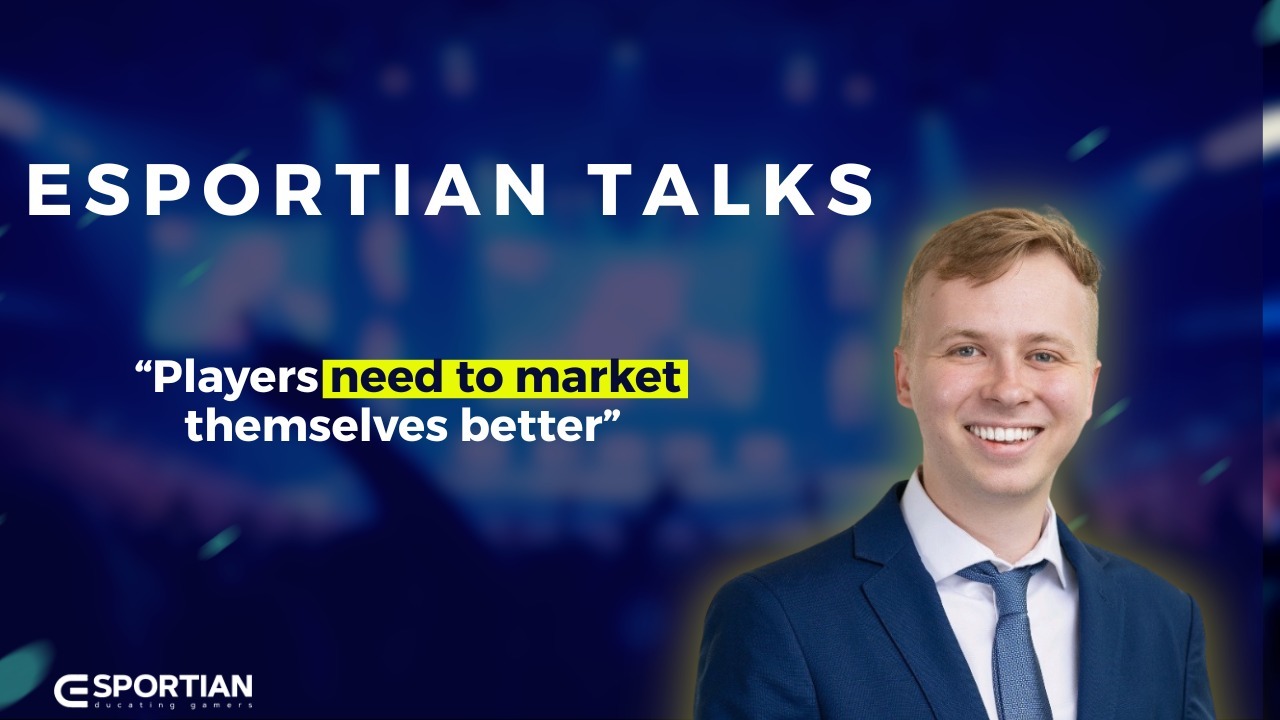
In practice, directors and coaches evaluate a broader portfolio: academic readiness, communication habits, professionalism, culture fit, and a demonstrable track record of growth. Drawing on our interview with Grayson Harding ,former Esports Coordinator and Head Coach at Michigan State University , this article explains what actually moves a student from “interesting” to “offer,” and how to select a university program aligned with your ambitions.
Strong player profiles are clear, complete, and easy to verify. Grayson emphasizes that first impressions matter: the initial message, the organization of your materials, and the way you present your goals all signal whether you are prepared for four years of university life, not merely one competitive split. A concise recruiting note should include your name, graduation year, location, intended or prospective major, GPA (and, when applicable, standardized test scores), game title(s), peak rank, role, and links to relevant VODs or highlight reels. If you have competed on a team in high school, local club, online league, state the teams, circuits, roles (ex. IGL), and notable results. This information helps a coach assess not only your level but your readiness for structured play.
Harding also notes a practical reality: coaches field many inquiries. Profiles that require minimal back-and-forth because they centralize the right links and facts signal maturity and respect for the coach’s time. The goal is a verifiable dossier that reflects both who you are now and how you are investing in improvement.
For directors, soft skills are not secondary; they are co-equal with mechanical proficiency. Grayson is blunt: an ego will undermine a roster faster than any skill gap. Coaches therefore watch closely for cues on how you accept feedback, how you speak about teammates, whether you can disagree productively, and whether you demonstrate accountability for mistakes.
Professionalism starts with basics: write clearly, use standard grammar, avoid slang in first contact, and do not open with “How much scholarship can I get?” before establishing fit. If you meet online, camera-on and a quiet, well-lit environment convey seriousness. Authenticity matters as well: AI tools can help polish grammar, but directors can recognize generic, overproduced copy. Let your own voice come through.
Finally, coaches look for evidence that you understand college is a four-year commitment. Students who lead with academics “I’m interested in X program, here’s why” and who ask about culture, study support, and graduation outcomes show the long-term mindset universities prize.
Because collegiate esports lacks a single, universal data registry, your social presence functions as a living résumé. Harding advises students to maintain a professional handle and a public, curated feed that surfaces match VODs, clipped highlights with context (map, role, opponent, objective), and brief reflections on learning what you practiced, how you adapted, what you’ll do next. This pattern demonstrates resilience.
Equally important is what you omit. Directors will search your name. Remove inflammatory posts, memes that don’t age well, and any content that reflects poorly on judgment. If you are relatively inactive, that is acceptable; just ensure the few public items are high quality, current, and aligned to your goals. Where possible, pin a compact “Start here” post that aggregates your bio, academic intent, rank history, team experience, and video links.
Selecting a University Program That Fits
Fit is multidimensional. He recommends starting with academics: confirm the university offers a degree path you genuinely want, and calibrate admissions selectivity (GPA, test policies, deadlines). Ask explicit questions about academic support for student-athletes, practice/class scheduling, and expectations during peak competitive periods.
Next, evaluate culture and coaching philosophy. Programs differ in how they balance short-term results against four-year development. Grayson’s approach at Michigan State prioritized culture fit and sustained growth even if that meant declining a high-ranked player with poor coachability. Seek coaches who can articulate their standards, how they handle conflict, and how they mentor upper-class leaders. If possible, tour campus or, at minimum, schedule structured conversations with current players. Observe how the team communicates; that is the culture you will inherit.
International students should pay particular attention to timelines (admissions, visas, housing) and be ready to translate non-U.S. competitive experience into team-based equivalents in club leagues, online circuits, or organized community events highlighting roles, responsibilities, and learning outcomes.
Harding’s most actionable guidance centers on time horizons and evidence of growth. Directors think in four-year arcs: they want resilient students who persist, improve, and lead. Two traits consistently predict success:
Three additional practices strengthen any candidacy:
Start earlier than you think. In traditional athletics, recruiting conversations often begin by 10th grade. Esports is catching up. Initiate contact as a sophomore or junior with periodic updates (academic progress, rank changes, new VODs). Early communication builds rapport and allows coaches to project your trajectory.
Use references. While not yet standard in esports, brief endorsements from a coach, teacher, or club advisor add credibility. Directors may call them, especially when deciding among comparable prospects.
Mind the little things. Confirm they read your emails. Meet deadlines or flag issues early. Show up on time. These are small but differentiating signals of reliability, exactly what coaches need on match day and professors expect in class.
Collegiate esports recruiting rewards the complete student: academically committed, mechanically sharp, coachable, and professionally composed. A standout profile pairs verifiable performance with evidence of teamwork, growth, and purpose. Market yourself with clarity, choose programs that match your academic and cultural needs, and engage directors early with respectful, well-organized communication. As Grayson underscores, universities are not recruiting you for a weekend, they are investing in your next four years. Present yourself accordingly.
Strong player profiles are clear, complete, and easy to verify. Grayson emphasizes that first impressions matter: the initial message, the organization of your materials, and the way you present your goals all signal whether you are prepared for four years of university life, not merely one competitive split. A concise recruiting note should include your name, graduation year, location, intended or prospective major, GPA (and, when applicable, standardized test scores), game title(s), peak rank, role, and links to relevant VODs or highlight reels. If you have competed on a team in high school, local club, online league, state the teams, circuits, roles (ex. IGL), and notable results. This information helps a coach assess not only your level but your readiness for structured play.
Harding also notes a practical reality: coaches field many inquiries. Profiles that require minimal back-and-forth because they centralize the right links and facts signal maturity and respect for the coach’s time. The goal is a verifiable dossier that reflects both who you are now and how you are investing in improvement.
For directors, soft skills are not secondary; they are co-equal with mechanical proficiency. Grayson is blunt: an ego will undermine a roster faster than any skill gap. Coaches therefore watch closely for cues on how you accept feedback, how you speak about teammates, whether you can disagree productively, and whether you demonstrate accountability for mistakes.
Professionalism starts with basics: write clearly, use standard grammar, avoid slang in first contact, and do not open with “How much scholarship can I get?” before establishing fit. If you meet online, camera-on and a quiet, well-lit environment convey seriousness. Authenticity matters as well: AI tools can help polish grammar, but directors can recognize generic, overproduced copy. Let your own voice come through.
Finally, coaches look for evidence that you understand college is a four-year commitment. Students who lead with academics “I’m interested in X program, here’s why” and who ask about culture, study support, and graduation outcomes show the long-term mindset universities prize.
Because collegiate esports lacks a single, universal data registry, your social presence functions as a living résumé. Harding advises students to maintain a professional handle and a public, curated feed that surfaces match VODs, clipped highlights with context (map, role, opponent, objective), and brief reflections on learning what you practiced, how you adapted, what you’ll do next. This pattern demonstrates resilience.
Equally important is what you omit. Directors will search your name. Remove inflammatory posts, memes that don’t age well, and any content that reflects poorly on judgment. If you are relatively inactive, that is acceptable; just ensure the few public items are high quality, current, and aligned to your goals. Where possible, pin a compact “Start here” post that aggregates your bio, academic intent, rank history, team experience, and video links.
Selecting a University Program That Fits
Fit is multidimensional. He recommends starting with academics: confirm the university offers a degree path you genuinely want, and calibrate admissions selectivity (GPA, test policies, deadlines). Ask explicit questions about academic support for student-athletes, practice/class scheduling, and expectations during peak competitive periods.
Next, evaluate culture and coaching philosophy. Programs differ in how they balance short-term results against four-year development. Grayson’s approach at Michigan State prioritized culture fit and sustained growth even if that meant declining a high-ranked player with poor coachability. Seek coaches who can articulate their standards, how they handle conflict, and how they mentor upper-class leaders. If possible, tour campus or, at minimum, schedule structured conversations with current players. Observe how the team communicates; that is the culture you will inherit.
International students should pay particular attention to timelines (admissions, visas, housing) and be ready to translate non-U.S. competitive experience into team-based equivalents in club leagues, online circuits, or organized community events highlighting roles, responsibilities, and learning outcomes.
Harding’s most actionable guidance centers on time horizons and evidence of growth. Directors think in four-year arcs: they want resilient students who persist, improve, and lead. Two traits consistently predict success:
- Resilience and sustained effort. Regular competition (locals, online brackets, school leagues), structured practice, and reflective notes over time show you can grind productively.
- Intrinsic drive with a clear “why.” Students who can explain their motivations, academic and competitive tend to navigate adversity better and contribute to team culture.
Three additional practices strengthen any candidacy:
Start earlier than you think. In traditional athletics, recruiting conversations often begin by 10th grade. Esports is catching up. Initiate contact as a sophomore or junior with periodic updates (academic progress, rank changes, new VODs). Early communication builds rapport and allows coaches to project your trajectory.
Use references. While not yet standard in esports, brief endorsements from a coach, teacher, or club advisor add credibility. Directors may call them, especially when deciding among comparable prospects.
Mind the little things. Confirm they read your emails. Meet deadlines or flag issues early. Show up on time. These are small but differentiating signals of reliability, exactly what coaches need on match day and professors expect in class.
Collegiate esports recruiting rewards the complete student: academically committed, mechanically sharp, coachable, and professionally composed. A standout profile pairs verifiable performance with evidence of teamwork, growth, and purpose. Market yourself with clarity, choose programs that match your academic and cultural needs, and engage directors early with respectful, well-organized communication. As Grayson underscores, universities are not recruiting you for a weekend, they are investing in your next four years. Present yourself accordingly.
