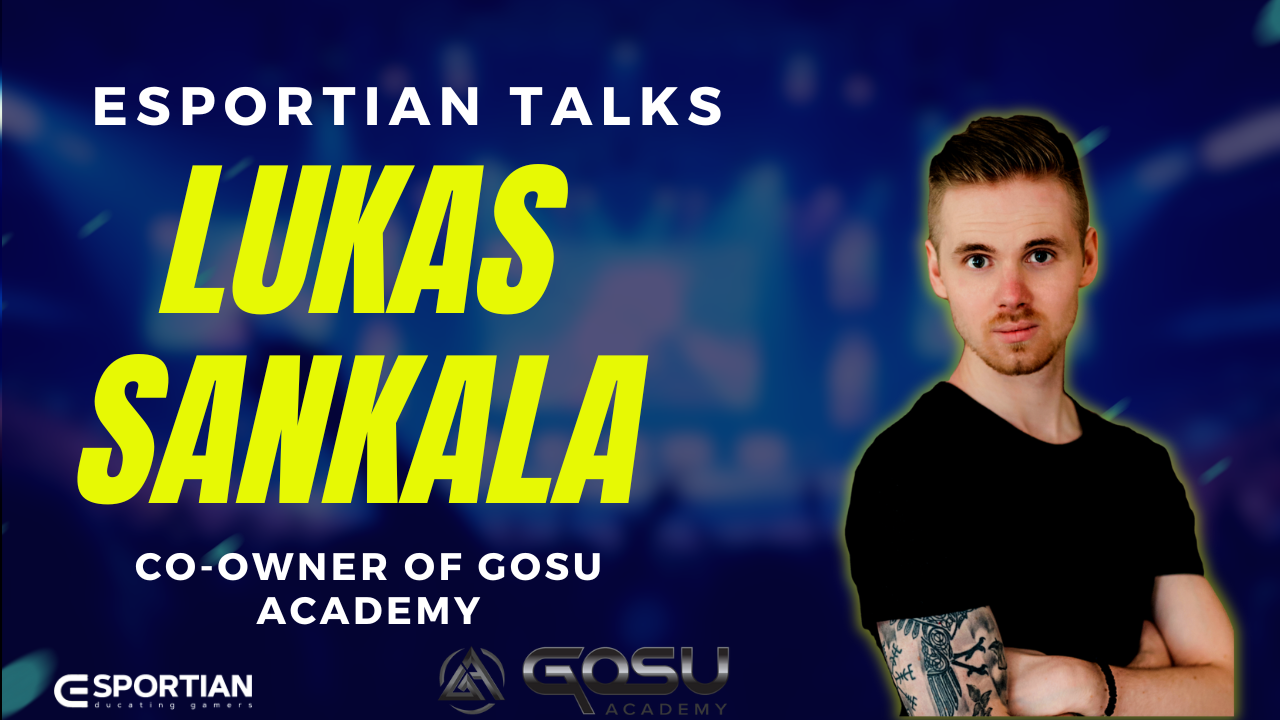
Gosu Academy stands at the forefront of an approach to esports education and player development. In an industry often characterized by informal learning and inconsistent structures, the academy has emerged as a model for delivering scalable, high-quality training that connects the gap between amateur enthusiasm and professional standards. Co-owner Lukas Sankala brings over a decade of coaching experience to the table, having transitioned from one-on-one coaching to systemic group learning environments. His journey reflects a broader shift in esports pedagogy from isolated, talent-driven pathways to structured, community-supported growth models.
The Academy’s origins lie in a bold vision to introduce group coaching as a viable alternative to the saturated market of one-on-one esports training. Early experiments with boot camps laid the groundwork for a more robust academy structure, offering a subscription-based model where students receive live instruction from professional coaches and access to a library of past sessions. Gosu's innovation extends to the creation of “Coach 10mans,” structured team scrimmages where players apply theoretical knowledge in live, coached environments. This practical application model not only accelerates learning but also gives players their first taste of structured team play, often absent in solo queue environments.
What sets Gosu Academy apart is its pedagogical commitment to structure and long-term development. Rather than focusing solely on in-game mechanics, the academy emphasizes strategic thinking, player communication, and personal accountability. Training sessions are designed around a clear trajectory: understanding current skill levels, identifying necessary competencies, and building actionable development plans. While group coaching limits personalized feedback, the academy equips players with the knowledge and frameworks needed to self-assess and adapt independently. More intensive one-on-one sessions and boot camps are available for those seeking tailored guidance.
Equally noteworthy is Gosu Academy’s engagement with scholastic institutions. Recognizing the acute resource shortages in K-12 and even collegiate esports programs, the academy has developed cost-effective solutions to deliver value at scale. By leveraging its existing libraries and coaching infrastructure, Gosu is able to support programs at a fraction of the cost typically associated with hiring local coaches. This not only democratizes access to professional-level coaching but also provides a sustainable model for growing scholastic esports. Gosu’s involvement with both small high schools and elite university programs demonstrates a unique adaptability that is critical for addressing the fragmented nature of the esports education landscape.
Lukas also emphasizes the byproduct of these collaborations: the professional development of collegiate coaching staff. As varsity directors and assistant coaches work alongside Gosu’s elite coaching personnel, they acquire new methodologies, sharpen their tactical insights, and develop as educators. While Gosu does not formally train college coaches, this indirect transfer of knowledge elevates the coaching quality across programs.
Gosu Academy 's vision extends beyond North America. In regions like the Middle East, where formalized esports programs are still emerging, the academy is engaging with universities and after-school initiatives to introduce structured coaching models. He sees the potential for international expansion as both a growth opportunity and a responsibility to share the benefits of structured esports education with a global community of players and institutions.
One of the academy’s most insightful contributions to the field is its understanding of player psychology. Recognizing that many aspiring esports athletes struggle with stagnation, they provide mental performance resources including masterclasses from world-renowned coaches. While not all students engage with this content, its availability reflects the academy’s holistic approach. When players face developmental plateaus, Gosu positions one-on-one coaching as a critical intervention enabling personalized assessments and actionable improvement plans that often mark the turning point in a player’s growth trajectory.
Finally, Gosu Academy’s future-facing initiatives underscore its commitment to accessibility and equity in esports education. By collaborating with multiple state high school associations, the academy will soon launch large-scale boot camps for titles like Valorant and Marvel Rivals. These initiatives aim to reach underserved communities, ensuring that coaching excellence is not limited by geography or budget. Through a mix of scalable systems, expert coaching, and community-driven partnerships, the academy is laying the foundation for a more structured, inclusive, and sustainable future in competitive gaming.
The Academy’s origins lie in a bold vision to introduce group coaching as a viable alternative to the saturated market of one-on-one esports training. Early experiments with boot camps laid the groundwork for a more robust academy structure, offering a subscription-based model where students receive live instruction from professional coaches and access to a library of past sessions. Gosu's innovation extends to the creation of “Coach 10mans,” structured team scrimmages where players apply theoretical knowledge in live, coached environments. This practical application model not only accelerates learning but also gives players their first taste of structured team play, often absent in solo queue environments.
What sets Gosu Academy apart is its pedagogical commitment to structure and long-term development. Rather than focusing solely on in-game mechanics, the academy emphasizes strategic thinking, player communication, and personal accountability. Training sessions are designed around a clear trajectory: understanding current skill levels, identifying necessary competencies, and building actionable development plans. While group coaching limits personalized feedback, the academy equips players with the knowledge and frameworks needed to self-assess and adapt independently. More intensive one-on-one sessions and boot camps are available for those seeking tailored guidance.
Equally noteworthy is Gosu Academy’s engagement with scholastic institutions. Recognizing the acute resource shortages in K-12 and even collegiate esports programs, the academy has developed cost-effective solutions to deliver value at scale. By leveraging its existing libraries and coaching infrastructure, Gosu is able to support programs at a fraction of the cost typically associated with hiring local coaches. This not only democratizes access to professional-level coaching but also provides a sustainable model for growing scholastic esports. Gosu’s involvement with both small high schools and elite university programs demonstrates a unique adaptability that is critical for addressing the fragmented nature of the esports education landscape.
Lukas also emphasizes the byproduct of these collaborations: the professional development of collegiate coaching staff. As varsity directors and assistant coaches work alongside Gosu’s elite coaching personnel, they acquire new methodologies, sharpen their tactical insights, and develop as educators. While Gosu does not formally train college coaches, this indirect transfer of knowledge elevates the coaching quality across programs.
Gosu Academy 's vision extends beyond North America. In regions like the Middle East, where formalized esports programs are still emerging, the academy is engaging with universities and after-school initiatives to introduce structured coaching models. He sees the potential for international expansion as both a growth opportunity and a responsibility to share the benefits of structured esports education with a global community of players and institutions.
One of the academy’s most insightful contributions to the field is its understanding of player psychology. Recognizing that many aspiring esports athletes struggle with stagnation, they provide mental performance resources including masterclasses from world-renowned coaches. While not all students engage with this content, its availability reflects the academy’s holistic approach. When players face developmental plateaus, Gosu positions one-on-one coaching as a critical intervention enabling personalized assessments and actionable improvement plans that often mark the turning point in a player’s growth trajectory.
Finally, Gosu Academy’s future-facing initiatives underscore its commitment to accessibility and equity in esports education. By collaborating with multiple state high school associations, the academy will soon launch large-scale boot camps for titles like Valorant and Marvel Rivals. These initiatives aim to reach underserved communities, ensuring that coaching excellence is not limited by geography or budget. Through a mix of scalable systems, expert coaching, and community-driven partnerships, the academy is laying the foundation for a more structured, inclusive, and sustainable future in competitive gaming.
